
Postnatal Scars & Perineal Tear Discomfort
Discreet, doctor-led medical assessment for tight, painful or sensitive postnatal scars, including episiotomy and perineal tear scarring. The goal is softening rigid tissue and restoring pain-free daily comfort and intimacy.
What is Postnatal Scars & Perineal Tear Discomfort?
Following childbirth, perineal tears or episiotomies heal with fibrous collagen scar tissue. In many women, this scar tissue becomes excessively rigid, hyper-sensitive, or constricted, leading to pulling, burning, and sharp pain during intercourse, tampon use, or physical exercise.
Common signs and concerns
- Tightness, pulling or stinging at the scar site
- Sharp pain during intercourse or tampon insertion
- Sensitivity when wearing fitted clothing or sitting
- Rigid fibrous bands or tenderness along perineal tissues
- Persistent itching or irritation around healed tears
Possible contributing factors
- Rigid or thickened fibrous scar tissue post-childbirth
- Episiotomy or 2nd/3rd-degree perineal tear healing
- Reduced local tissue elasticity and microcirculation
- Pelvic floor muscle guarding around scar trigger points
When to Seek Professional Medical Assessment
Your safety and long-term health come first. We recommend arranging a medical consultation if you notice any of the following:
Persistent or Worsening Symptoms
Tightness, dryness or burning sensations that persist across weeks and do not resolve with routine care.
Impact on Intimacy, Sleep or Exercise
Discomfort or pain during intercourse, friction during exercise, or soreness that interrupts sleep and daily movement.
Spotting or Unusual Discharge
Any light bleeding after intercourse, unexplained spotting, or unusual changes in natural moisture and discharge.
New Lumps, Colour or Texture Changes
Any new lumps, skin thickening, white patches, or painful lesions that warrant prompt medical or gynaecological evaluation.
Doctor-Led Safety Principle: Please seek assessment if symptoms are persistent, worsening, painful, or interfering with intimacy, exercise or sleep. Bleeding, new lumps, unusual discharge, skin colour or texture change, or pain during intercourse should always be assessed medically first, and may need a gynaecological opinion before any aesthetic or regenerative treatment is considered.
How Dr Farzana Assesses This Concern
Unhurried Medical Review
A relaxed, private conversation reviewing your symptoms, medical history, childbirth timeline, menopause status, and current medications.
Dignified & Chaperoned Care
Examination is completely optional and conducted only with your explicit consent, with formal female chaperone arrangements always provided.
Honest Plan & Specialist Care
Transparent discussion of regenerative and non-invasive options, with direct onward specialist gynaecological referral whenever medically required.
Private, unhurried consultations with a GMC-registered female doctor.
Book Doctor-Led ConsultationExplore Treatment Options
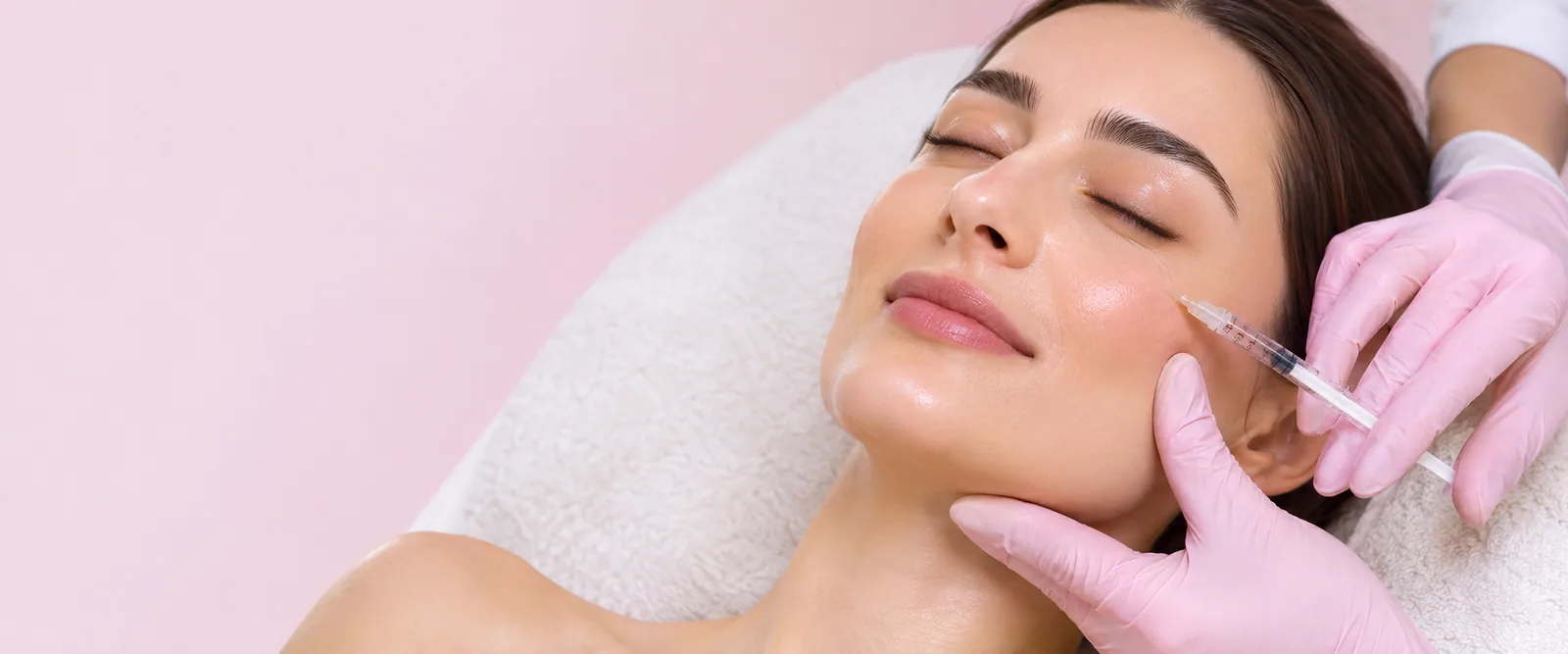
These are options offered by Dr Farzana that may be discussed for this concern. Which, if any, is appropriate for you is decided only after a confidential medical assessment.


Suitability & Important Information
Medical integrity and patient wellbeing are at the heart of every treatment recommendation at Restore by Dr Farzana.
Individual Clinical Evaluation
This page is general information only and is not medical advice or a diagnosis. Suitability for any treatment is confirmed at a confidential medical consultation, including a review of your history, medication and goals. Risks, alternatives, aftercare and realistic outcomes are discussed openly. Results vary between individuals and no treatment is suitable for everyone.
Open Disclosure & Realistic Expectations
Every medical and regenerative protocol is tailored to personal anatomy and clinical indication. Potential risks, realistic recovery timelines, and alternative therapeutic pathways are discussed without obligation.
Referral & Specialist Care
Where presenting symptoms suggest underlying gynaecological conditions (such as persistent bleeding, abnormal cytology, or undiagnosed pain), Dr Farzana will always refer onward for specialist medical investigation.
Frequently asked questions
How can postnatal scars be improved non-surgically?+
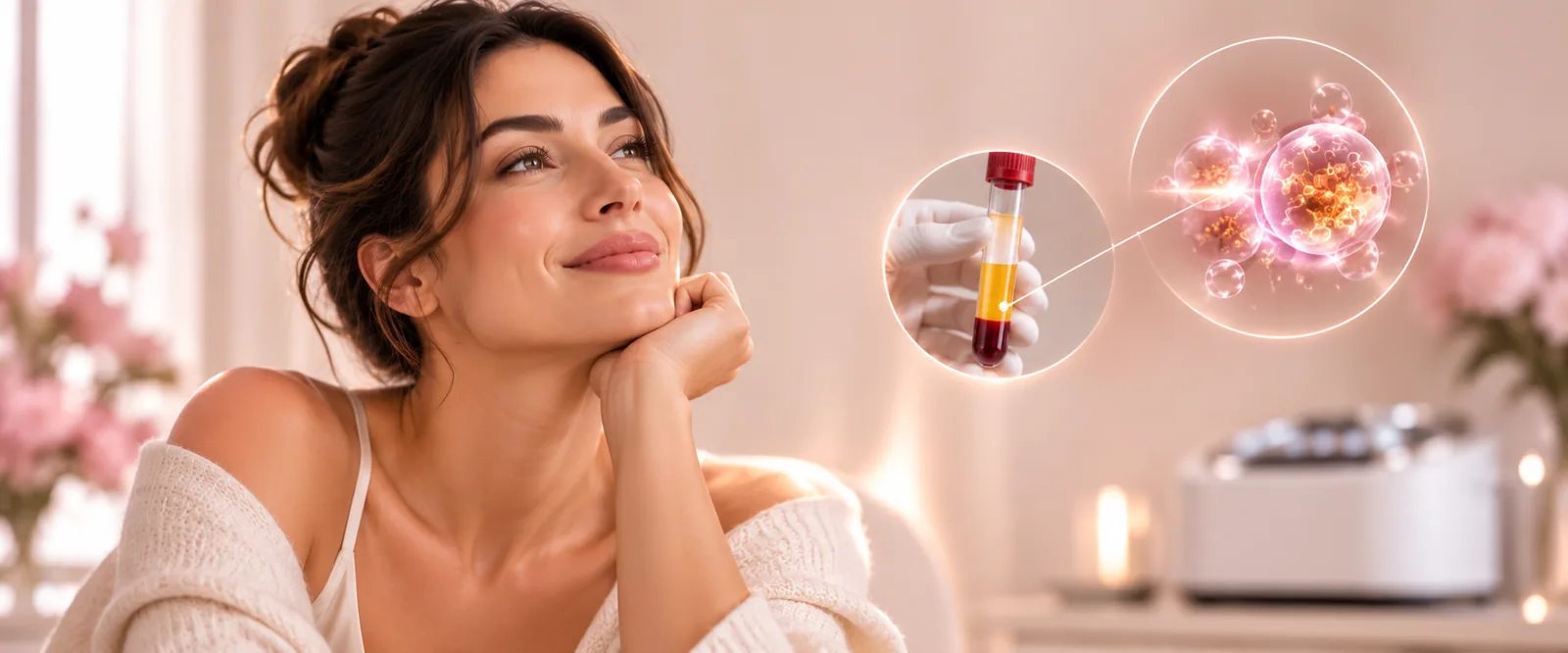
Dr Farzana uses regenerative protocols including autologous PRP, polynucleotides, and the Juliet Er:YAG laser. These stimulate tissue remodelling, break down rigid collagen bundles, and restore elasticity without surgery.
How soon after childbirth can I be assessed?+
Assessment and treatment can generally begin once initial post-birth healing is complete, typically from 3 to 6 months postpartum.
Is the treatment painful?+
A high-strength topical or local anaesthetic is applied before treatment, ensuring maximum comfort throughout.


Where Dr Farzana Practises
Select a clinic below to explore the live map location and request a confidential appointment.
Ready for a consultation about Postnatal Scars & Perineal Tear Discomfort?
Book a confidential medical consultation with Dr Farzana Khan to discuss your concern, suitability and the options available.
Request a consultation about Postnatal Scars & Perineal Tear Discomfort
Share a few details and we will arrange a discreet, doctor-led consultation. We never share your information.